What It Takes To Repair EIFS When Temperatures Stay Below Freezing
Most property owners assume Exterior Insulation and Finish System (EIFS) work stops when temperatures drop below freezing. That assumption makes sense on the surface. After all, the acrylic finish coats and polymer-modified base coats that make EIFS so durable need specific conditions to cure properly.
But here is the reality: professional EIFS contractors in central Indiana perform successful repairs throughout the winter months. The difference between a repair that lasts and one that fails within a year comes down to temperature control, humidity management, and a clear understanding of how these materials behave in cold-weather conditions.
Key Takeaways
- Winter EIFS repairs are possible when contractors use heated enclosures, temperature monitoring, and extended cure schedules to maintain proper conditions throughout application and curing.
- The 40°F minimum applies to air, substrate, and materials simultaneously, and temperatures must stay above this threshold during application and for the full curing period afterward.
- Indirect-fired heaters are the professional standard because they avoid adding moisture and carbon monoxide to the enclosure air, which can compromise cure quality and worker safety.
- Cure times extend 50-100% in cold weather, meaning base coats may need 24-48 hours and finish coats 48-72 hours of protected curing before exposure to ambient conditions.
- Detailed temperature logging protects warranty coverage by documenting that conditions met manufacturer specifications throughout the project.
- Not all winter damage requires immediate repair, but active water intrusion, structural issues, and large delaminated areas should be addressed promptly to prevent costly escalation.
- Winter repairs typically cost 15-30% more due to enclosure materials, heating equipment, fuel, extended labor, and longer project timelines.
Indiana Wall Systems has completed EIFS repair projects across Indianapolis, Carmel, Fishers, and surrounding areas during every month of the year. The company’s 26 years of experience include plenty of January and February jobs that required heated enclosures, overnight heat holds, and careful temperature logging to protect the work.
This article pulls back the curtain on winter EIFS repair. Property owners, facility managers, and commercial building operators will learn exactly what goes into a cold-weather project, from the equipment used to the science behind proper curing. Understanding these details helps set realistic expectations and explains why winter repairs sometimes cost more, but often deliver results just as good as warm-weather work.
The Critical Temperature Threshold
Why Temperature Matters for EIFS Materials
EIFS components are not simple paints or coatings. The base coat is a polymer-modified material that bonds to the insulation board and holds the reinforcing mesh in place. The finish coat is an acrylic-based product designed to flex with building movement while resisting moisture intrusion and UV damage.
Both of these materials cure through a chemical and physical process that depends heavily on temperature and humidity. The acrylic polymers in the finish coat need to coalesce, meaning the tiny particles must merge together into a continuous film. This process essentially stops when temperatures drop below certain thresholds.
The 40°F Rule and Its Limits
Most EIFS manufacturers specify a minimum application temperature of 40°F. This number appears in nearly every product data sheet from major brands like Sto, Dryvit, and Sika. But this rule comes with important context that many people overlook.
The 40°F requirement applies to:
- The ambient air temperature
- The substrate temperature (the surface being coated)
- The material temperature
All three must stay above 40°F during application and for a specified time afterward. This is where the challenge gets real. Even if the daytime air temperature reaches 45°F, the substrate may still be cold from overnight freezing. And even if you apply the coating at noon when conditions seem fine, temperatures often drop below the threshold before the material has finished curing.
What Happens When Temperatures Drop Too Low
When EIFS materials are applied or cured in cold temperatures, several problems can occur:
- Improper curing of the base coat leads to weak adhesion between the mesh and the insulation board
- Cracking from rapid drying or freeze-thaw cycling within the uncured material
- Blistering in the finish coat caused by trapped moisture that could not evaporate before freezing
- Delamination that may not show up for months but eventually causes the lamina to separate from the substrate
- Efflorescence (white mineral deposits) that form when water repeatedly freezes and thaws within the uncured coating
What Happens When EIFS Cures in Cold Temperatures
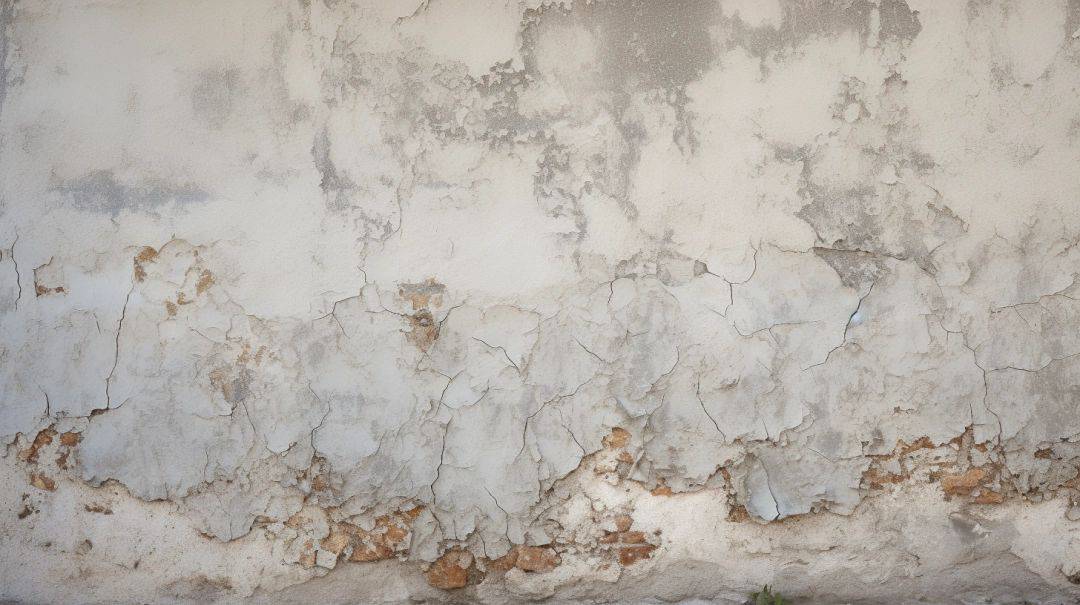
These problems often do not appear immediately. A winter repair done incorrectly might look fine in February. By the following summer, though, the finish may start showing signs of damage. Understanding how to spot early signs of EIFS wear and tear becomes especially important after cold-weather work.
Heated Enclosures: The Foundation of Winter EIFS Work
The most reliable way to perform EIFS repairs during winter construction is to create a controlled environment around the work area. This means building a temporary heated enclosure that keeps temperatures stable throughout the application and curing process.
Types of Heated Enclosures for Winter EIFS
Types of Temporary Containment
Professional contractors use several approaches depending on the project size, building height, and specific conditions:
Temporary scaffold wrap involves covering existing scaffolding with heavy-duty poly sheeting or shrink-wrap. This creates a barrier against wind and cold while allowing heat to accumulate inside the enclosure.
Shrink-wrap enclosures use heat-activated plastic sheeting that contracts tightly around the scaffold framework. This method provides better insulation than standard tarps and reduces air leakage.
Insulated tarping combines standard tarp material with foam or reflective insulation layers. These setups work well for smaller repair areas where full scaffold wrap is not practical.
Fire-resistant tarps are essential whenever heating equipment is used inside the enclosure. Building codes and insurance requirements typically mandate flame-retardant materials for any temporary containment with active heating.
Sizing the Enclosure Properly
The enclosure needs to be large enough to maintain consistent temperatures throughout the work area but small enough to heat efficiently. A good rule of thumb is to allow at least 3 feet of clearance from the wall surface to the enclosure material on all sides.
This spacing accomplishes two goals. First, it prevents the enclosure material from touching wet coatings. Second, it allows air to circulate, which prevents heat stratification (hot air pooling at the top while the work area stays cold).
For larger commercial projects, Indiana Wall Systems sometimes builds multiple enclosure zones. Each zone gets its own heating equipment and temperature monitoring. This approach allows work to proceed on different elevations simultaneously while maintaining proper conditions in each area.
Heating Methods and Safety Requirements
Not all heat sources work equally well for EIFS enclosures. The choice of heating equipment affects cure quality, worker safety, and overall project cost.
Indirect-Fired Heaters: The Professional Standard
Most professional winter EIFS work uses indirect-fired heaters. These units burn propane or natural gas in a separate combustion chamber. The flames never contact the air that enters the enclosure. Instead, the combustion gases exhaust outside while clean, heated air flows into the work space.
The advantages of indirect-fired heating include:
- No combustion byproducts (carbon monoxide, water vapor) contaminating the enclosure air
- Better humidity control because the burning fuel does not add moisture to the environment
- Reduced risk of fire from open flames near flammable enclosure materials
- More consistent temperatures throughout the heated space
The downside is cost. Indirect-fired units are more expensive to rent and operate than direct-fired alternatives. For most commercial EIFS work, though, the quality and safety benefits justify the expense.
Why Direct Flame Heating Causes Problems
Direct-fired heaters (where combustion gases enter the heated space) create two major issues for EIFS curing:
Moisture contamination occurs because burning fuel produces water vapor as a byproduct. This extra moisture raises the relative humidity inside the enclosure, which slows evaporation from the coating. In extreme cases, the coating surface can stay tacky for days instead of reaching a tack-free state within hours.
Carbon monoxide safety becomes a serious concern in enclosed spaces. CO is colorless and odorless. Without proper ventilation and monitoring, workers can be exposed to dangerous levels. Most EIFS manufacturers explicitly warn against direct-fired heating in their cold-weather guidelines.
Indirect vs. Direct-Fired Heaters
- No combustion gases enter enclosure
- Better humidity control
- No CO safety concerns
- More consistent temperatures
- Reduced fire risk
- Adds moisture to enclosure air
- Slows coating evaporation
- Carbon monoxide hazard
- Can leave finish tacky for days
- Manufacturers warn against use
Indiana Wall Systems uses indirect-fired heaters on all winter EIFS projects to ensure proper cure quality and worker safety.
Electric Heat Options
Electric heaters eliminate combustion concerns entirely. No flames mean no CO, no moisture contamination, and reduced fire risk. Electric heat blankets can even be placed directly against substrates to bring cold surfaces up to the required temperature before coating.
The practical limitation is power availability. Large enclosures require substantial electrical capacity that many job sites cannot provide. Running generators adds noise, fuel costs, and logistical complexity.
For smaller residential EIFS repairs, electric heating often makes sense. For commercial façade work covering thousands of square feet, indirect-fired heaters typically provide better output per dollar.
Heater Ventilation and Clearance Requirements
Even with indirect-fired equipment, proper ventilation remains essential. The enclosure needs enough air changes per hour to prevent heat stratification and maintain consistent conditions at the wall surface.
Most contractors plan for 4-6 air changes per hour in a heated enclosure. This rate keeps air moving without creating excessive heat loss. Exhaust ducting removes stale air from the top of the enclosure (where it is warmest) while fresh heated air enters lower in the space.
Heater clearance distances matter for fire safety and temperature distribution. The heat source should be positioned far enough from the enclosure walls that the poly or tarp material does not overheat. Manufacturer guidelines typically call for at least 3 feet of clearance from any combustible material.
Temperature Monitoring Throughout the Project
Maintaining proper conditions requires constant monitoring, not just a single temperature check in the morning. Professional winter EIFS work involves multiple types of measurement and careful documentation.
Temperature Monitoring Tools
Critical: Dew Point Margin
If substrate temperature is within 5°F of the dew point, condensation can form on the wall and prevent proper adhesion.
Measuring Ambient Air Temperature
Standard digital thermometers or wireless weather stations track the air temperature inside the enclosure. The best practice is placing sensors at multiple heights since warm air rises and temperature can vary significantly from floor to ceiling.
Recording ambient temperature on a temperature log at regular intervals (typically every 2-4 hours during active work and overnight holds) creates documentation that proves conditions stayed within specifications. This log becomes important for warranty purposes and quality control verification.
Substrate Temperature: The Critical Measurement
Air temperature does not tell the whole story. The surface being coated may be significantly colder than the surrounding air, especially if the wall has thermal mass from masonry or concrete backups.
Contractors use infrared thermometers for quick surface checks. These handheld devices give instant readings by measuring infrared radiation from the surface. They work well for spot-checking different areas of the substrate before and during application.
Contact thermometer probes provide more accurate readings by directly touching the surface. These are especially useful for verifying that the substrate has truly warmed up after heating, not just that the air around it is warm.
The minimum substrate temperature must be met before any coating goes on. For most EIFS products, this is 40°F. Some high-performance systems specify 45°F or even 50°F for optimal results.
Substrate Preheating Techniques
When the substrate is too cold, contractors must warm it before application. Several methods work for substrate preheating:
- Running the enclosure heaters for several hours before work begins
- Using electric heat blankets or curing blankets applied directly to the wall surface
- Directing warm air from heaters toward specific cold spots using flexible ducting
The goal is raising the entire work area above the minimum threshold, not just warming one spot where the thermometer happens to be placed. An infrared surface temp check across the full work area confirms even heating before application starts.
Temperature and Humidity: The Combined Effect
Temperature alone does not determine whether conditions are suitable. Relative humidity plays an equally important role in how quickly coatings cure and whether moisture can evaporate properly.
Relative humidity monitoring should accompany temperature tracking in any winter enclosure. Most EIFS manufacturers recommend application when relative humidity is below 85%. Higher humidity slows the curing process and increases the risk of problems.
The relationship between temperature and humidity creates the concept of dew point calculation. The dew point is the temperature at which moisture in the air will condense on surfaces. If the substrate temperature is close to or below the dew point, condensation forms on the wall, preventing proper adhesion.
Professional contractors maintain a substrate dew point margin of at least 5°F. This means the substrate temperature should be at least 5 degrees warmer than the calculated dew point before coating. Anything less creates condensation risk that can compromise the entire repair.
Cold-Weather Mixing and Material Handling
The materials themselves need protection from cold temperatures, not just the application surface. Frozen or cold EIFS components do not perform correctly even when applied in a warm environment.
Material Storage Temperature
EIFS base coats, finish coats, and adhesives should be stored at temperatures between 40°F and 90°F. Ideally, materials are kept at 60-70°F before use. This applies during shipping, on-site storage, and right up until application.
On winter job sites, this means:
- Storing materials in heated trailers or enclosed spaces overnight
- Never leaving buckets of finish coat sitting in an unheated vehicle
- Bringing materials into the heated enclosure well before application
- Checking that materials have reached appropriate temperature before mixing
Frozen EIFS products should be discarded. Even if they thaw and appear normal, the freeze-thaw cycling can damage polymer chains and affect cure performance.
Cold-Weather Mixing Water Temperature
Water used for mixing cementitious products (like some base coats and Portland cement-based materials) affects the overall mix temperature. Using warm water (around 70°F) helps maintain proper consistency and workability.
Hot water is not recommended because it can cause flash setting in cement-based products. The goal is moderate warmth, not heat.
Workability Window Changes
Cold temperatures shorten the workability window for most EIFS materials. A base coat that normally gives 30 minutes of working time at 70°F might stiffen in 15-20 minutes at 45°F.
Experienced crews adjust their application pace accordingly. Smaller batches mixed more frequently help ensure materials are applied while still fully workable. Rushing to apply partially-set material creates adhesion problems and mesh embedment issues.
The Curing Process in Winter Conditions
Getting materials onto the wall correctly is only half the battle. What happens during the hours and days after application determines whether the repair will last.
Understanding Cure Time vs. Dry Time
These terms are related but not identical. Dry time refers to how long before the surface is no longer wet to the touch. Cure time describes how long until the material reaches full strength and chemical stability.
In warm weather, an acrylic finish coat might dry in 4-8 hours and cure substantially within 24-48 hours. In cold weather with controlled heating, both timeframes extend significantly. The finish may stay tacky for 24 hours or more, and full cure might take 72 hours or longer.
Extended Cure Schedules
Most manufacturers publish extended cure schedules for cold-weather application. These guidelines specify longer wait times between coats and before exposing the finished surface to weather.
A typical cold-weather sequence might look like:
- Base coat application, followed by 24-48 hours cure time (vs. 12-24 hours in warm weather)
- Finish coat application, followed by 48-72 hours protected curing
- Gradual transition to ambient conditions over the following days
These extended timelines increase project duration and cost. However, they are essential for achieving proper bond strength and finish durability.
Cure Times: Warm Weather vs. Cold Weather
Warm Weather (70°F+)
Cold Weather (40-60°F)
Cold weather extends cure times by 50-100%. Professional contractors plan for these longer timelines in their winter project schedules.
Overnight Heat Hold Requirements
The most critical period for winter EIFS curing is overnight. Temperatures typically drop fastest after sunset, and the material may be at its most vulnerable point in the curing process.
An overnight heat hold means keeping the enclosure heated above the minimum temperature for the full night. The heating equipment runs continuously, with someone monitoring conditions periodically or using automated temperature logging systems.
For commercial projects, overnight heat holds often require:
- On-site security or monitoring personnel
- Fuel delivery arrangements for propane-fired heaters
- Backup heating capacity in case primary equipment fails
- Clear communication with building occupants about temporary conditions
Multi-Day Coat Sequencing
Large EIFS repair projects require careful planning of multi-day coat sequencing. The base coat needs time to cure before the finish coat goes on. If temperatures are expected to drop significantly, contractors may wait an extra day before applying subsequent layers.
This sequencing also affects scaffold movement. Crews cannot reposition scaffolds onto freshly coated areas until adequate cure has occurred. Winter project timelines must account for these extended cure periods when planning overall schedules.
Flashing, Sealant, and Integration Details
EIFS repairs do not exist in isolation. They must integrate with the building’s overall water management system, including flashing, sealant joints, and drainage components. Cold weather affects these elements too.
Sealant Temperature Considerations
The sealant used around windows and doors, at control joints, and where EIFS meets other materials has its own temperature requirements. Most polyurethane and silicone sealants specify application above 40°F, similar to EIFS coatings.
Beyond application temperature, sealant performance depends on:
- Sealant bead tooling time, which shortens in cold weather as the material sets faster once exposed to air
- Sealant temperature rating for long-term flexibility (separate from application requirements)
- Sealant compatibility with adjacent materials, which should be verified before use
Using a sealant adhesion primer may be required in cold conditions to ensure proper bonding to the substrate. The primer creates a chemical bond that compensates for less-than-ideal conditions during application.
Backer Rod Installation in Cold Weather
Backer rod (the foam rope that fills the back of sealant joints) becomes stiffer and harder to work with in cold temperatures. Some contractors warm the backer rod slightly before installation to restore flexibility.
Proper backer rod installation ensures the sealant achieves correct depth and prevents three-sided adhesion that can cause joint failure. Taking extra time for this detail in winter conditions pays dividends in long-term joint performance.
Flashing Integration
Window head flashing, kickout flashing at roof-to-wall transitions, and drip edge terminations must integrate correctly with the EIFS repair. Cold weather does not change the importance of these details, but it does require extra care.
Sheet metal flashing may need adjustment on-site, and metal cutting tools work poorly with numb fingers. Membranes and self-adhered flashings have adhesive that performs best above certain temperatures.
The flashing-to-WRB integration (where flashing meets the water-resistive barrier) is especially critical. Any gaps or improper overlaps create pathways for water intrusion. Proper moisture management techniques apply year-round but deserve extra attention during winter work.
Quality Control and Documentation
Winter EIFS work requires more documentation than warm-weather projects. This documentation protects everyone involved and ensures warranty coverage remains valid.
Temperature Logging Best Practices
A proper temperature log records:
- Date and time of each reading
- Ambient air temperature inside the enclosure
- Substrate temperature at multiple locations
- Relative humidity
- Dew point calculation
- Weather conditions outside the enclosure
- Any equipment changes or problems
Electronic data loggers can automate much of this recording. They store readings at preset intervals and download to computer files for permanent records.
Photo Documentation
Photographs document conditions at each project stage:
- Enclosure setup before heating begins
- Temperature readouts on monitoring equipment
- Substrate conditions before preparation
- Base coat application and mesh embedment
- Finish coat application
- Final appearance after cure
These photos provide evidence of proper technique and appropriate conditions. If questions arise later about product performance, the documentation demonstrates that installation followed manufacturer guidelines.
Manufacturer Tech Bulletins and Guidelines
Major EIFS manufacturers publish cold-weather guidelines as tech bulletins or application guides. Sto cold-weather guidelines, Dryvit cold-weather guidelines, and Sika EIFS product data sheets all contain specific requirements for winter application.
Following these guidelines precisely is essential for warranty coverage. Most manufacturer warranties include warranty temperature exclusions that void coverage if minimum application temperatures were not maintained.
Indiana Wall Systems maintains current copies of all relevant manufacturer documentation. The company’s professional installation approach includes verification that every project meets or exceeds manufacturer specifications.
Adhesion Testing
For critical repairs or when conditions are borderline, field adhesion tests or adhesion pull tests verify that the base coat has bonded properly to the substrate. These tests use calibrated equipment to measure the force required to pull a sample area away from the underlying surface.
Testing can be performed after appropriate cure time to confirm that the repair achieved adequate bond strength. Any areas showing weak adhesion can be addressed before the finish coat is applied.
Special Considerations for Different Building Types
Winter EIFS repair requirements vary somewhat depending on the building type, size, and use.
Residential Projects
Most residential EIFS repairs involve relatively small areas. Common issues include damage around windows and doors, cracking from settling, and areas where water damage has occurred.
For homeowners in Carmel, Fishers, Zionsville, and similar communities, winter repairs on residential homes offer some advantages:
- Smaller enclosures are easier to heat efficiently
- Electric heating may be practical with residential power service
- Homeowner schedules sometimes align better with winter availability
- Competition for contractor time is lower than during peak spring/summer seasons
Setting proper homeowner expectations in winter is important. The project will take longer than equivalent work in June. Cost may be 15-25% higher to cover heating equipment, extended cure times, and additional monitoring.
Commercial Buildings
Commercial façade work presents greater challenges and opportunities for winter EIFS repair. Larger buildings mean larger enclosures, more heating capacity, and longer project timelines.
However, commercial work also benefits from:
- Deeper contractor experience with winter construction techniques
- Access to commercial-grade heating equipment
- Project managers who understand extended schedules
- Budgets that can accommodate winter premiums
Commercial buildings with occupied spaces need careful coordination. The enclosure and heating equipment affect building appearance, loading dock access, and sometimes interior conditions near the work area. Clear communication with property managers helps minimize disruptions.
For retail or hospitality properties, minimizing business disruptions during EIFS renovations becomes even more important during the holiday season.
Historic Buildings
Historic properties often have EIFS or traditional stucco that requires specialized attention. These buildings may also have less insulation in wall cavities, meaning exterior surfaces cool faster and require more aggressive heating strategies.
Indiana Wall Systems brings expertise in historic preservation techniques to winter repair projects. The company’s experience with heritage architecture includes understanding how older construction affects moisture management and thermal performance.
Planning a Winter EIFS Repair Project
Property owners considering winter EIFS repair should plan ahead for the unique requirements of cold-weather work.
Weather Forecast and Scheduling
Jobsite weather tracking becomes critical for winter scheduling. Contractors monitor extended forecasts to identify windows of milder weather and avoid starting work immediately before severe cold snaps.
An hourly forecast planning approach helps structure the work schedule for best results. Starting application in mid-morning after the enclosure has warmed allows maximum cure time before overnight temperatures drop.
Storm contingency plans address what happens if unexpected weather arrives. This might include maintaining heat longer than originally planned, delaying subsequent coats, or temporarily sealing the enclosure more tightly.
Work Stoppage Thresholds
Every project needs clear work stoppage thresholds that define when conditions become unsuitable. These thresholds typically include:
- Ambient temperature dropping below 35°F with insufficient heating capacity
- Wind speeds exceeding safe limits for scaffolding (often 25-30 mph)
- Precipitation that cannot be effectively kept out of the enclosure
- Equipment failures that cannot be quickly resolved
Having these thresholds defined in advance prevents arguments about whether work should continue in marginal conditions.
Budget Considerations
Winter EIFS repair costs more than equivalent work in ideal conditions. Additional costs come from:
| Cost Factor | Typical Impact |
|---|---|
| Heated enclosure materials (tarps, wrap, framework) | 10-15% of project base cost |
| Heating equipment rental | $200-$500 per day depending on size |
| Fuel for heating | $50-$150 per day for propane |
| Extended labor hours for monitoring | 2-4 additional hours per day |
| Extended project duration | 25-50% longer than summer work |
| Material waste from shortened workability | 5-10% additional material |
Despite these additional costs, winter repairs make sense in several situations:
- Emergency repairs needed to prevent further damage
- Project timelines that cannot wait for spring
- Availability of preferred contractors who are booked in warmer months
- Budget cycles that require work completion in a specific fiscal period
When Winter Repair Makes Sense (And When to Wait)
Not every EIFS problem requires immediate winter attention. Understanding the severity of damage helps prioritize timing.
Should You Repair Now or Wait for Spring?
Repair Now
- Active water intrusion through damaged areas
- Structural damage to substrate
- Large areas of delamination
- Visible mold or efflorescence
- EIFS pulling away from wall
Can Wait for Spring
- Small hairline cracks in finish
- Minor cosmetic damage from impacts
- Areas with intact sealant joints
- Fading or discoloration only
- Planning larger renovation project
Situations Requiring Prompt Repair
Some EIFS issues should not wait until spring:
Active water intrusion through damaged areas will continue causing harm to sheathing, insulation, and interior finishes throughout winter. The longer water has access, the more extensive (and expensive) the eventual repair becomes.
Structural damage to the substrate means the EIFS is no longer properly attached. High winds during winter storms could tear off sections of the cladding, creating safety hazards and much larger repair scopes.
Large areas of delamination allow wind-driven rain and snow to reach the building structure. Even if the damage looks contained, moisture can travel sideways through wall cavities.
Visible mold or efflorescence indicates ongoing moisture problems that are actively damaging the building. Waiting months allows the problem to spread.
Situations Where Waiting May Be Appropriate
Other conditions can safely wait for better weather:
Small hairline cracks in the finish coat, while unsightly, often do not allow significant water intrusion. A spring repair may be more cost-effective.
Cosmetic damage from impacts or minor settling does not threaten building integrity. These repairs can be scheduled for optimal conditions.
Areas with intact sealant joints where the primary water barrier remains functional may not need immediate attention even if the finish shows some wear.
Planning larger renovation projects that will affect the same areas makes isolated winter repairs inefficient. Better to wait and address everything at once.
When uncertain about severity, a professional EIFS inspection can help prioritize repairs. Moisture testing and visual evaluation reveal whether damage requires urgent attention or can be scheduled for later.
Working with Indiana Wall Systems in Winter
Indiana Wall Systems approaches winter EIFS work with the same attention to detail that has built the company’s reputation over 25 years. Every cold-weather project begins with a thorough assessment of the damage, the building conditions, and the practical requirements for successful completion.
The company maintains heated storage for EIFS materials throughout the winter season. Crews are trained in cold-weather techniques and understand the importance of temperature monitoring and extended cure protocols. Equipment inventory includes multiple heating units, enclosure materials, and temperature logging systems.
For property owners in Indianapolis and surrounding areas, winter EIFS repair is a genuine option, not a compromise. When done correctly with proper equipment and experienced crews, cold-weather repairs deliver the same quality and durability as work performed in ideal conditions.
The key is partnering with a contractor who understands the science behind EIFS curing and invests in the equipment and training needed to control conditions properly. Cutting corners on winter work leads to failures that show up months later. Doing it right means the repair will perform as expected for years to come.
Quick Reference: Winter EIFS Repair Checklist
| Task | Details |
|---|---|
| Pre-project planning | Check extended forecasts, establish work stoppage thresholds |
| Enclosure setup | Use fire-resistant materials, allow 3ft clearance from wall |
| Heating selection | Prefer indirect-fired heaters for moisture and CO control |
| Material storage | Keep products at 60-70°F before use, discard anything frozen |
| Substrate prep | Verify temperature at least 5°F above dew point |
| Application | Smaller batches, account for shortened workability |
| Cure management | Maintain heat overnight, follow extended cure schedules |
| Documentation | Log temperatures every 2-4 hours, photograph all stages |
Frequently Asked Questions
Can EIFS repairs be done in freezing weather?
Yes, EIFS repairs can be completed in freezing temperatures when contractors use heated enclosures and proper cure control. The enclosure creates a warm environment around the work area, allowing materials to cure correctly even when outside temperatures are below 32°F. Professional crews monitor conditions continuously to ensure the repair meets manufacturer specifications.
How much more does winter EIFS repair cost compared to summer?
Winter EIFS repairs typically cost 15-30% more than equivalent work in warm weather. The additional cost covers heated enclosure materials, heating equipment rental, fuel, extended labor for monitoring, and longer project timelines. Emergency repairs may cost more due to urgent scheduling requirements.
What is the minimum temperature for applying EIFS coatings?
Most EIFS manufacturers specify a minimum application temperature of 40°F for the air, substrate, and materials. Both the base coat and finish coat require this minimum. The temperature must remain above the threshold during application and throughout the curing process, which is why heated enclosures are necessary for winter work.
How long does EIFS take to cure in cold weather?
In cold weather with controlled heating (maintained at 50-60°F), EIFS cure times typically extend 50-100% compared to ideal conditions. A base coat that normally cures in 12-24 hours may need 24-48 hours. Finish coats may require 48-72 hours of protected curing before exposure to ambient conditions. Manufacturers provide specific extended cure schedules for cold-weather application.
What happens if EIFS freezes before it cures?
EIFS coatings that freeze before proper curing can experience serious problems including weak adhesion, cracking, blistering, and delamination. The acrylic polymers cannot coalesce properly when frozen, resulting in a coating that looks normal initially but fails prematurely. Frozen repairs often need to be removed and redone once proper conditions can be maintained.
Does winter EIFS repair affect the warranty?
Winter EIFS repairs can maintain full warranty coverage when they follow manufacturer cold-weather guidelines. Contractors must document that temperatures stayed within specifications throughout application and curing. Warranty exclusions typically apply only when minimum temperature requirements were not met. Professional contractors maintain detailed temperature logs for this reason.
How do contractors heat EIFS work areas in winter?
Professional contractors use indirect-fired propane heaters that exhaust combustion gases outside the enclosure. The heated enclosure is built from scaffolding wrapped with fire-resistant tarps or shrink-wrap. Temperature is monitored continuously, and heaters run overnight to maintain proper conditions during the critical early cure period.
Is it better to wait until spring for EIFS repairs?
The answer depends on the severity of the damage. Active water intrusion, structural damage, or large delaminated areas should be repaired promptly to prevent further harm to the building. Cosmetic damage or small cracks that are not allowing water entry can often wait for warmer weather when repairs may be slightly less expensive.
Contact Indiana Wall Systems
Property owners across central Indiana trust Indiana Wall Systems for year-round EIFS repair and installation. The company serves Indianapolis, Carmel, Fishers, Zionsville, Greenwood, Columbus, Bloomington, and surrounding communities with professional cold-weather capabilities.
For a free estimate on winter EIFS repair, contact Indiana Wall Systems:
- Phone: (765) 341-6020
- Email: indianawallsystems@yahoo.com
- Address: 5202 W 700 S, Morgantown, IN 46160
The team is available Monday through Friday from 6 AM to 5 PM and Saturdays from 9 AM to 12 PM. Emergency consultations can be arranged for urgent situations.
Do not let winter damage worsen while waiting for spring. Professional EIFS repair with proper temperature control delivers lasting results regardless of the season.