A Board-Ready Road Map For Funding EIFS Repairs Without Surprise Assessments
Every condominium association and HOA with EIFS (Exterior Insulation and Finish System) cladding shares the same challenge: how to keep the building exterior in good shape without blindsiding owners with a massive special assessment. The answer is reserve planning, and the stakes are high. A single water intrusion issue left unaddressed for two or three years can quietly rot sheathing and framing behind the finish coat, turning a $4,000 sealant repair into a $75,000 remediation project. Board members and property managers across Central Indiana deal with this exact scenario more often than most residents realize.
Short Answer
HOA and condo boards should fund a dedicated EIFS reserve line item based on a professional baseline inspection and moisture mapping. A phased plan, starting with sealant and joint repairs in Year 1, targeted remediation in Years 3 through 5, and full recoats in Years 10 through 15, spreads costs over time and prevents expensive emergency special assessments.
This guide assumes the board already has (or will commission) a professional EIFS inspection. The goal here is how an HOA turns that information into a multi-year reserve and repair program the board can fund, phase, and execute across multiple buildings. Whether the community is a 12-unit townhome row in Carmel, IN or a 200-unit mid-rise campus near downtown Indianapolis, the planning framework is the same.
Key Takeaways
- ✓ A baseline EIFS inspection with moisture mapping is the first step in any reserve plan. Without it, budget numbers are guesses.
- ✓ Phasing repairs by priority (sealant joints first, then targeted remediation, then recoats) reduces special assessment risk by spreading costs across 10 to 15 years.
- ✓ Every EIFS reserve line item should include its own useful life estimate, replacement cost, and remaining useful life rather than lumping everything under “exterior walls.”
- ✓ Board-ready checklists for meetings, RFPs, and contractor qualification keep decisions consistent and make apples-to-apples bid comparisons possible.
- ✓ Indiana’s freeze-thaw cycles, summer humidity, and wind-driven rain make annual exterior inspections a practical minimum for EIFS communities.
Why EIFS Requires Its Own Reserve Category
Most reserve studies lump exterior cladding into a single line item. For brick, vinyl siding, or fiber cement, that approach works well enough. EIFS is different. It is a multi-layer cladding system made up of EPS foam insulation board, a reinforcement mesh embedded in a base coat, and an acrylic finish coat (the lamina). Each of those layers has a different useful life, a different failure mode, and a different repair cost.
Sealant joints at windows, doors, expansion joints, and control joints typically last 7 to 12 years before they need replacement. The acrylic finish coat may hold up for 15 to 20 years before it needs a recoat. Flashing details at roof-wall intersections, parapet coping, and kickout flashing locations can last decades if installed correctly, or fail within 5 years if they were not.
The board that treats EIFS like a single budget line will almost certainly underfund one component while overfunding another. A proper reserve study breaks the exterior wall system into its reserve components list: sealant joints, finish coat and recoats, flashing and termination details, base coat and mesh repairs, EPS foam and insulation board, and the drainage plane (if present). Each component gets its own useful life estimate, remaining useful life, and replacement cost.
Barrier EIFS vs. Drainage EIFS: Budget Implications
The budget picture changes significantly depending on whether the community has barrier EIFS or drainage plane EIFS (sometimes called water-managed EIFS). Barrier systems, common in homes built before the early 2000s, have no built-in path for water to escape if it gets past the finish coat. Drainage EIFS includes a drainage mat or grooved insulation board that channels moisture down to weep screeds at the base.
For reserve planning purposes, barrier EIFS communities should budget for a higher hidden damage allowance (typically 15 to 25 percent above visible repair estimates). When the EIFS contractor opens a wall on a barrier system, the odds of finding wet sheathing, sheathing damage, or even framing rot behind the foam are considerably higher. Drainage systems still need attention, but the drainage path, weep holes, and starter track work together to limit trapped moisture.
If a board is unsure which system the buildings have, that question should be answered in the baseline EIFS inspection.
The Four-Phase Reserve and Repair Model
A phased approach is the most practical way to manage EIFS costs across a multi-building community. Instead of trying to fund everything at once (or ignoring the problem until a special assessment becomes unavoidable), the board works through a clear sequence tied to risk-based planning.
Phase 0: Baseline Condition Assessment (Year 0)
Everything starts with a professional building envelope inspection of every EIFS-clad structure in the community. This is not a general home inspection or a windshield survey from the parking lot. A qualified EIFS inspector will:
- Walk every elevation of every building at close range
- Use a moisture meter to probe suspect areas around windows, doors, penetrations, sealant joints, and termination details
- Perform infrared thermography (thermal imaging) to identify hidden moisture or insulation defects behind the finish coat
- Conduct exploratory openings (probe testing) at high-risk locations to confirm or rule out suspected damage
- Document every defect with photos, condition ratings, and a priority matrix that ranks findings from critical safety risks down to cosmetic maintenance items
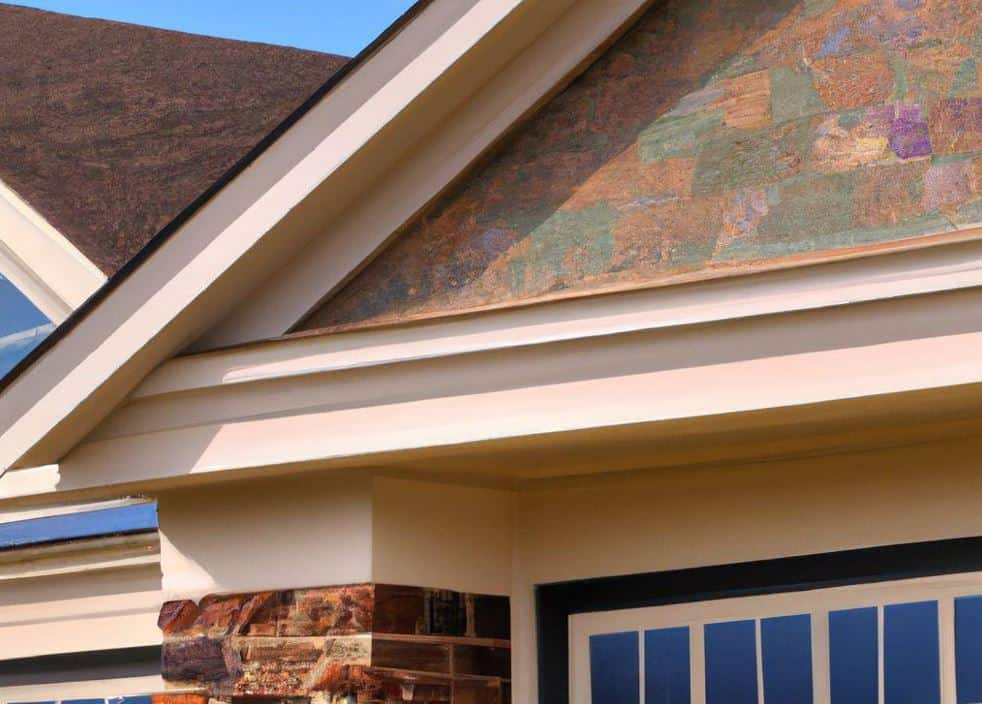
The inspection report becomes the foundation of the entire reserve plan. It tells the board exactly what needs attention now versus what can wait, and it puts dollar figures on the scope of work for each phase.
Indiana Wall Systems performs these inspections across the Indianapolis metro area, including communities in Fishers, Zionsville, Westfield, Noblesville, and throughout Hamilton County. Jeff Johnson notes that the inspection is the one step boards should never skip: “You can’t budget for what you haven’t measured. A good inspection pays for itself by keeping the board from spending money in the wrong place.”
Budget impact: A baseline EIFS inspection for a multi-building community typically runs between $1,500 and $8,000 depending on the number of buildings, total square footage of EIFS, and the number of exploratory openings needed. That cost is usually charged to the operating budget, not reserves, since it is a one-time assessment activity.
Phase 1: Sealant Campaign and Critical Repairs (Year 1)
The first capital project in most EIFS communities is a community-wide sealant campaign. Sealant joints are the number one failure point in any EIFS installation. Every window perimeter, door frame, expansion joint, control joint, penetration (pipe penetrations, electrical box penetrations, hose bib penetrations, balcony penetrations, deck ledger penetrations, and guardrail attachments), and termination seal eventually needs fresh sealant.
A proper sealant replacement is more than running a bead of caulk over an old joint. It involves:
- Removing old sealant completely
- Inspecting the substrate behind the joint for hidden damage
- Installing backer rod (closed-cell backer rod) to control joint depth and create the correct hourglass sealant profile
- Priming surfaces where required for sealant adhesion
- Applying new sealant that meets ASTM C920 standards with proper movement capability
- Tooling the sealant correctly so it bonds on two sides only (two-sided adhesion), not three
For more detail on sealant types and best practices, Indiana Wall Systems has a thorough guide on choosing the right caulking types for exterior needs.
Along with the sealant campaign, Phase 1 should address any critical defects identified in the baseline inspection. These include:
- Active water intrusion or confirmed moisture intrusion behind the cladding
- Delamination (areas where the lamina has separated from the EPS foam)
- Soft spots that indicate wet insulation board or sheathing damage
- Flashing failures at roof-wall intersections, kickout flashing locations, and parapet coping
- Structural damage to framing or sheathing that creates a safety risk
Any location where water is actively entering the wall assembly gets fixed first, regardless of what else is in the plan.
Budget impact: Sealant campaigns for a multi-building HOA commonly range from $15,000 to $60,000 depending on the total linear footage of joints, the number of penetrations, and the sealant type specified. Critical repairs vary widely based on inspection findings. Boards should include a contingency of 10 to 20 percent above estimated costs for hidden damage discovered during the work.
Phase 2: Targeted Remediation by Building and Elevation (Years 3 to 5)
After the sealant campaign stops the most likely water entry points, the next phase addresses targeted remediation on specific buildings or elevations that showed moderate damage in the baseline assessment. This is where phasing by building becomes especially valuable for larger communities.
Not every building in a condo complex degrades at the same rate. North-facing elevations hold moisture longer because they get less direct sunlight. Buildings at the edge of the property may take more wind-driven rain. Older buildings in a multi-phase development may have been built with different details than newer ones. A board that tries to fix everything at once will either drain the reserve account or force a large special assessment.
Instead, the capital plan should sequence remediation work based on:
- Condition rating from the baseline inspection (worst buildings first)
- Exposure factors (north elevation moisture, wind exposure, courtyard exposure, tree cover and shade drying)
- Building age and original construction details (barrier EIFS vs. drainage EIFS, original flashing quality)
- Access logistics (swing stages, scaffolding, lift rental, and how much resident disruption each building involves)
Targeted remediation can include:
- Removing and replacing damaged sections of EIFS (including EPS foam, base coat, mesh, and finish coat)
- Repairing or replacing head flashing, sill pan flashing, and window flashing
- Fixing base coat and mesh damage, including localized reinforcement mesh and mesh overlap details
- Addressing drainage defects in the wall assembly
- Treating or replacing damaged sheathing and framing behind the system
Budget impact: Remediation costs can range from $8 to $35 per square foot of EIFS, depending on the severity of damage and whether sheathing or framing replacement is needed. For a 50-unit community, phased remediation across Years 3 through 5 might total $120,000 to $400,000, broken into manageable annual draws from the reserve fund.
Phase 3: Recoats and Renewals (Years 10 to 15)
The final phase in the cycle is finish maintenance. Even EIFS that has been well-maintained and properly repaired will eventually need a fresh acrylic finish coat. The existing finish fades from UV exposure, loses elasticity through thermal movement and freeze-thaw cycling, and begins to show hairline stress cracking.
A maintenance recoat (using elastomeric coatings or breathable acrylic coatings) extends the life of the system by another 10 to 15 years. It also gives the board an opportunity to update the building’s color or address cosmetic issues like dirt pickup, algae growth, or staining patterns from rust stains near fastener penetrations.
For recoat specifications and best practices, the Indiana Wall Systems team covers the topic in detail in their guide on EIFS-compatible paints and coatings.
Recoats are typically the largest single line item in an EIFS reserve plan, but because they are predictable and scheduled far in advance, the board has years to accumulate the necessary funds through regular annual contributions.
Budget impact: Recoat costs generally run $3 to $7 per square foot of EIFS surface area, depending on surface prep requirements, access conditions, and coating specification. For a community with 40,000 square feet of total EIFS area, that puts the recoat budget in the $120,000 to $280,000 range.
Building the EIFS Reserve Line-Item Budget
A well-built reserve study breaks EIFS maintenance into individual reserve components, each with its own funding track. Below is a reference table boards can adapt to their community.
EIFS Reserve Component Breakdown
| Reserve Component | Useful Life | Typical Cost Range | Inspection Trigger |
|---|---|---|---|
| Sealant joints (windows, doors, control joints, expansion joints) | 7 to 12 yrs | $3 to $8 / lin. ft. | Cracking, peeling, adhesion failure, gaps |
| Penetration seals (pipes, electrical boxes, hose bibs, balcony attachments) | 7 to 12 yrs | $75 to $350 / each | Staining below penetration, soft EIFS around fasteners |
| Flashing (kickout, head, sill pan, roof-wall, parapet coping) | 15 to 25+ yrs | $15 to $60 / lin. ft. | Leaks, staining at transitions, water testing failures |
| Base coat and mesh repairs | As needed | $8 to $20 / sq. ft. | Lamina cracking, impact damage, delamination |
| EPS foam / insulation board replacement | As needed | $10 to $25 / sq. ft. | Soft spots, confirmed moisture, compression |
| Finish coat recoat | 12 to 20 yrs | $3 to $7 / sq. ft. | Fading, chalking, stress cracking, dirt pickup |
| Drainage plane repairs (drainage EIFS only) | As needed | Varies with scope | Blocked weep holes, damaged drainage mat, weep path blockage |
| Sheathing and framing (hidden damage allowance) | N/A (contingency) | 15 to 25% above visible estimate | Probe testing, moisture meter readings, exploratory openings |
Central Indiana averages as of 2025-2026. Costs vary by access conditions, building height, and project complexity.
A qualified EIFS contractor can provide unit pricing specific to the community during the RFP process.
Funding the Reserve: Annual Contributions vs. Special Assessments
The math behind reserve funding is straightforward but often underestimated. The board needs to work with a reserve study specialist (or reserve analyst) to calculate:
- Total estimated cost for each reserve component over the study period (typically 30 years)
- Remaining useful life for each component based on the baseline inspection
- Annual contributions needed to accumulate enough funds before each expenditure comes due
- Cost escalation (construction inflation, typically 3 to 5 percent per year in Indiana)
- Contingency (10 to 20 percent for hidden damage)
A reserve fund that is fully funded (100 percent of projected future costs are currently saved) is the gold standard, but many communities operate at 50 to 70 percent funded levels. The lower the funding level, the higher the risk that a major repair will require a special assessment, which is the one outcome boards want to avoid.
The Community Associations Institute (CAI) recommends that associations maintain reserves at a minimum of 70 percent funded to reduce special assessment risk. Below 30 percent, the board is effectively operating on a pay-as-you-go basis, which almost guarantees emergency assessments when problems surface.
How Cost Escalation Catches Boards Off Guard
Construction inflation has averaged 4 to 6 percent annually in recent years across Indiana. A sealant campaign that costs $40,000 today will cost roughly $48,000 to $53,000 if deferred just three years. Boards that defer Phase 1 work to “save money” often end up paying significantly more, not just because prices rise, but because the underlying damage gets worse while they wait.

The reserve study should include an explicit inflation rate assumption (typically 3 to 5 percent) and an interest rate assumption for earnings on the reserve account balance. Even a modest interest-bearing account or money market account helps offset inflation, though it will not eliminate it.
Inspection Cadence: How Often Should an HOA Inspect EIFS?
Indiana does not currently have a state-mandated EIFS inspection requirement for condominiums or HOAs (unlike some states that have enacted post-collapse building safety legislation). That means the inspection schedule is entirely up to the board and its governing documents.
Based on Indiana Wall Systems’ field experience across hundreds of EIFS buildings in Central Indiana, here is the recommended inspection cadence:
Recommended EIFS Inspection Schedule for HOA Communities
| Inspection Type | Interval | Who Performs It | Purpose |
|---|---|---|---|
| Annual visual walk-around | Every 12 months | Property manager or trained maintenance staff | Catch obvious problems early: cracking, staining, sealant gaps, impact damage, pest damage |
| Professional EIFS inspection | Every 3 to 5 years | Qualified EIFS inspector or third-party building envelope consultant | Moisture mapping, condition rating update, probe testing at high-risk areas |
| Post-storm inspection | After major events | EIFS contractor or inspector | Check for hail impact, wind damage, water intrusion from wind-driven rain |
| Pre-project inspection | Before any capital work | EIFS contractor | Confirm scope, identify hidden conditions, establish baseline for warranty |
| Post-repair inspection | After each phase | Third-party inspector or architect | Verify workmanship, document as-built conditions, confirm warranty terms |
| Reserve study update | Every 3 to 5 years | Reserve study specialist | Recalculate funding levels based on current conditions and updated cost data |
For a deeper look at what professional EIFS inspections involve and how often Indiana homeowners and boards should schedule them, see how often EIFS should be inspected in Indiana.
Seasonal Timing Considerations in Indiana
Indiana’s climate plays a direct role in scheduling. The best window for exterior EIFS work is typically late April through mid-October, when temperatures stay consistently above 40 degrees Fahrenheit and humidity levels are manageable. Sealant application, base coat and mesh work, and finish coat application all require minimum temperatures for proper curing.
Spring is the ideal time for annual inspections because the winter freeze-thaw cycle tends to expose new damage. Sealant joints that survived fall may show adhesion failure or cohesion failure after months of ice expansion. Cracking that was not visible in October may be obvious by April. Scheduling the annual walk-around in March or early April gives the board time to plan and bid any work needed for the summer construction season.
Board-Ready Tools and Checklists
One of the biggest challenges for HOA board members is that they are volunteers, not construction professionals. The checklists below are designed to help a board of directors make informed decisions without needing a building science degree.
Reserve Line-Item Checklist for EIFS Communities
Use this when reviewing or commissioning a reserve study. Make sure every item below appears as a separate line item (not lumped into a generic “exterior” category):
- [ ] Sealant joints: windows, doors, expansion joints, control joints
- [ ] Sealant at penetrations: pipe penetrations, electrical boxes, hose bibs, fastener penetrations
- [ ] Flashing: kickout, head, sill, roof-wall intersection, parapet coping, coping joints
- [ ] Weep screed and starter track (drainage EIFS)
- [ ] Base coat and reinforcement mesh
- [ ] Finish coat / acrylic finish recoat
- [ ] EPS foam / insulation board
- [ ] Sheathing and framing (hidden damage contingency)
- [ ] Drainage plane and drainage path (drainage EIFS)
- [ ] Termination details (grade-level, window sills, door frames)
Board Meeting Checklist for EIFS Capital Projects
Bring this to any meeting where the board is voting on EIFS-related expenditures:
- Has a professional EIFS inspection been completed within the last 3 years? If not, commission one before approving a repair scope.
- Does the scope of work match the inspection findings? The contractor’s proposal should reference specific defects and locations, not vague language.
- Are bids truly apples-to-apples? Every bid should use the same scope, the same specifications, and the same allowances for hidden damage. (See RFP checklist below.)
- What is the contingency for hidden conditions? The board should see a line item of 10 to 20 percent for discovery of sheathing damage, framing rot, or mold behind the EIFS.
- How will residents be notified and impacted? Access planning, work hours, parking restrictions, noise management, and balcony access notices should all be addressed in the contractor’s plan.
- What warranty is included? Ask about both the project warranty (contractor workmanship) and any manufacturer warranty for materials used.
- Is the contractor qualified? See contractor qualification checklist below.
- Does the project fall within the board’s approval authority, or does it require a membership vote? Check the governing documents.
- How does this project affect the reserve fund balance? The community association manager or reserve analyst should provide a before-and-after funding projection.
- Is there a plan for post-repair inspection? A third-party inspector or architect should verify the completed work before final payment.
RFP and Bid Package Checklist
When the board puts EIFS repair or maintenance work out for bid, the RFP (Request for Proposal) should include all of the following so contractors bid on the same scope:
- Scope of work clearly defined by building, elevation, and repair type
- Copy of the most recent EIFS inspection report (so all bidders see the same defect data)
- Unit pricing for common repair types (per linear foot for sealant, per square foot for recoat, per each for penetration seals)
- Allowances for hidden damage (sheathing replacement, framing repair)
- Specified materials (sealant type, mesh weight, finish coat product, flashing materials)
- Mock-up requirements (sample panel for texture matching and color matching before full production)
- Warranty requirements (minimum years, what is covered, exclusions)
- Insurance requirements (vendor insurance certificate, COI, additional insured)
- Schedule constraints (start date, completion date, weather days, seasonal scheduling)
- Access and logistics (scaffolding, boom lift, site logistics, dumpster placement, material staging)
- Quality control plan (daily reports, photo documentation, field testing requirements)
- Payment terms (retainage percentage, payment application schedule, lien waiver requirements)
Providing this level of detail upfront eliminates the guesswork that leads to change orders and scope creep later.
Contractor Qualification: What to Look For
Not every contractor who does stucco or exterior painting is qualified to work on EIFS. The cladding system has specific requirements for materials, application methods, and detailing that a general contractor or handyman will not understand. When evaluating EIFS contractors, the board should verify:
- EIFS-specific experience: How many EIFS projects has the company completed? Ask for a portfolio and references from similar HOA or condo communities.
- Manufacturer training: Is the contractor a manufacturer-approved applicator for the specific EIFS products installed on the community’s buildings (Dryvit, Sto, Parex USA, Senergy, Master Wall, or others)?
- Insurance: Confirm adequate general liability, workers’ compensation, and umbrella coverage. Request a certificate of insurance (COI) naming the HOA as additional insured.
- EIFS inspection capability: Can the contractor also perform or coordinate the baseline inspection, moisture meter testing, and infrared thermography?
- Warranty standing: Has the contractor maintained good standing with EIFS manufacturers to issue valid warranties?
- Crew qualifications: Ask about crew size, superintendent experience, and whether the same crew will be on site throughout the project (not subcontracted out).

Indiana Wall Systems has worked on EIFS projects across Central Indiana for over 26 years and is certified to inspect and apply every EIFS product sold in the United States. For communities looking for a qualified EIFS repair contractor, that level of product knowledge matters when the scope involves multiple manufacturers or older systems that require specific repair protocols.
Disruption Planning: Keeping Residents Informed and Projects on Track
Large-scale EIFS work on a condo or HOA property affects daily life. Scaffolding blocks walkways. Lift equipment takes up parking spaces. Sealant removal generates dust. Residents with balconies may lose access for days at a time. Boards that plan for this disruption in advance will face far fewer complaints than boards that figure it out as they go.
Resident Communication Plan
A strong owner communication strategy includes:
- Pre-project letter or email (30 days before work starts) explaining what the project involves, why it is being done, and how it protects property values
- Building-by-building schedule posted in common areas and sent electronically
- Weekly progress updates from the property manager or community association manager
- Specific notices for each building as work begins: balcony access notice, parking restrictions, pet safety notice, dust control measures, and work hours
- FAQ handout (physical or digital) that answers the most common resident questions
- Post-project summary explaining what was accomplished and what comes next in the phased plan
Clear communication builds trust. Residents who understand the plan and the budget logic behind it are far more likely to support the board’s decisions, including any dues increase needed to fund the reserve properly.
Access and Sequencing Strategy
For multi-building communities, the sequence of work matters. Best practices include:
- Start with the building in worst condition to address the highest risk first
- Group adjacent buildings together to reduce equipment mobilization costs
- Sequence by elevation within each building (finish all north-facing walls in one pass, then move to east, south, west)
- Coordinate with other projects (if the community is also doing roof replacement, gutter work, or window replacement, coordinate the sequence so flashing details are done once instead of torn apart and redone)
- Plan for weather days and build them into the schedule (Indiana’s spring and summer storms can cost multiple working days)
- Avoid scheduling major work during peak move-in/move-out periods if the community has high turnover
The Cost of Doing Nothing: Deferred Maintenance and Its Real Price
Boards sometimes hesitate to spend reserve funds on EIFS work because the exterior “looks fine.” EIFS is a deceptive system. The acrylic finish can appear perfect from the ground while moisture intrusion is rotting the sheathing and framing behind it. By the time visible damage appears (staining, bulging, soft spots, or mold on interior walls), the repair cost has multiplied several times over.
Here is a rough cost comparison that illustrates why deferred maintenance is the most expensive option:
Deferred Maintenance Cost Comparison
What a single window joint costs at each stage of neglect
| Repair Scenario | Approximate Cost | What It Includes |
|---|---|---|
| ● Sealant replacement at one window (proactive) | $150 to $400 | Remove old sealant, inspect substrate, install backer rod, apply new sealant |
| ● Water damage repair at one window (2 to 3 years deferred) | $2,500 to $6,000 | Remove EIFS section, replace wet sheathing, treat for mold, install new EIFS layers, texture matching, color matching |
| ● Full wall remediation (5+ years deferred) | $15,000 to $40,000+ | Remove large EIFS sections, replace sheathing and framing, re-flash, reinstall full EIFS system |
Per building face. Costs are Central Indiana averages and vary by access, building height, and extent of hidden damage.
The math is simple. A $300 sealant joint replaced on schedule costs about 1/10th what the same joint costs to fix after three years of water damage. Multiply that across dozens of windows and penetrations on a multi-building campus, and the difference between proactive planning and reactive maintenance can easily reach six figures.
Indiana Wall Systems sees this pattern regularly across the Indianapolis metro area. Boards that invest in a clear reserve plan and stick to the inspection cadence consistently spend less over the life of the building than boards that wait for emergencies.
Working with Your Reserve Study Specialist
The reserve study is the financial backbone of the capital plan. For EIFS communities, the study should be prepared or reviewed by someone who understands the unique cost profile of EIFS cladding. Here are the key assumptions the board should discuss with the reserve analyst:
Critical Reserve Study Assumptions for EIFS
Reserve Study Assumptions the Board Should Verify
| Assumption | Recommended Value / Guidance |
|---|---|
| Inflation rate | 3 to 5% annually for construction costs. Recent Indiana market trends have been closer to 5 to 6%. Confirm the study reflects current conditions. |
| Interest rate | Rate of return on the reserve account (money market account, FDIC-insured instruments), per the association’s investment policy. |
| Study period | Typically 30 years for EIFS communities. |
| Funding objective | Fully funded (100%), threshold funding (a defined minimum), or baseline funding (just enough to stay above zero). CAI recommends 70%+ to reduce special assessment risk. |
| Hidden damage allowance | 15 to 25% contingency beyond visible repair estimates, especially for barrier EIFS communities where sheathing rot risk is higher. |
| Useful life estimates | Should be validated by the professional EIFS inspection, not taken from generic national tables. |
| Cost assumptions | Use actual bid data or unit pricing from recent local projects, not national averages. |
The reserve study should be updated every 3 to 5 years, or sooner if a major repair project significantly changes the fund balance or if new inspection data reveals conditions that differ from the original assumptions.
Board-Friendly Glossary for EIFS Reserve Planning
Board packets and meeting agendas often contain technical terms that confuse volunteer board members and unit owners. The glossary below defines the most commonly used EIFS terms in plain language.
Board-Friendly EIFS Glossary
| EIFS | Exterior Insulation and Finish System. A multi-layer cladding made of insulation foam, reinforced base coat, and a textured acrylic finish. |
| Lamina | The outer “skin” of the EIFS wall. Includes the base coat, reinforcement mesh, and acrylic finish coat. |
| EPS Foam | Expanded polystyrene insulation board. The thick layer of rigid foam that gives EIFS its insulating properties. |
| Base Coat | A cementitious or polymer layer applied over the foam. The reinforcement mesh is embedded into this layer for strength. |
| Finish Coat | The textured, colored acrylic layer that gives the building its visible appearance. Also called the acrylic finish. |
| Barrier EIFS | An older EIFS design with no drainage layer behind the foam. Water that enters has no easy way out, increasing rot and mold risk. |
| Drainage EIFS | Modern EIFS design that includes a drainage mat or grooved foam, a weep screed at the base, and a defined drainage path for any moisture that gets past the surface. |
| Delamination | When the lamina separates from the foam underneath. Often caused by moisture, poor adhesion, or impact damage. |
| Kickout Flashing | A small piece of metal flashing at the bottom of a roof-wall intersection that directs water into the gutter instead of behind the wall. |
| Sealant Joint | A flexible, waterproof joint (usually silicone or polyurethane) between the EIFS and other building components like windows, doors, and expansion joints. |
| Reserve Study | A financial plan that estimates the cost and timing of future repairs and determines how much the HOA should save each year to pay for them. |
| Special Assessment | A one-time charge to unit owners to cover unexpected or underfunded repair costs. Proper reserve planning reduces the risk of special assessments. |
How EIFS Reserve Planning Protects Property Value
EIFS reserve planning is not just about avoiding leaks. It directly affects long-term property value, marketability, and the community’s ability to attract buyers and satisfy lenders.
Buyer and Lender Concerns
Prospective buyers (and their lenders) frequently ask for the reserve study and maintenance records during due diligence. A well-funded reserve with a documented inspection history and phased repair plan signals a well-managed community. An underfunded reserve with no EIFS inspection history raises red flags for both appraisers and underwriters.
Lender concerns are especially relevant for FHA and VA loan approvals, which often require that the HOA demonstrate adequate reserves. Communities with a history of special assessments or deferred maintenance may struggle to obtain favorable financing for unit sales.
Insurance Implications
Property insurance carriers are increasingly asking about building envelope maintenance and claims history. A community with documented EIFS inspections, a reserve plan, and a track record of proactive repairs may qualify for better premiums than one with a history of water damage claims. Some carriers now request loss runs and maintenance logs as part of the renewal process.
For more on how EIFS maintenance can affect insurance coverage and property value, see Indiana Wall Systems’ guide on EIFS and real estate values for appraisers and realtors.
Frequently Asked Questions
How much should an HOA budget annually for EIFS maintenance?
A general rule of thumb is $0.50 to $1.50 per square foot of EIFS per year in reserve contributions, depending on the system’s age, condition, and whether it is barrier or drainage EIFS. A professional reserve study tailored to the community’s specific buildings will produce a more accurate annual contribution figure based on actual inspection data and local repair costs.
Can an HOA defer EIFS sealant replacement to save money?
Deferring sealant replacement is one of the most expensive mistakes an HOA board can make. Sealant joints are the primary defense against water intrusion at windows, doors, and penetrations. A failed sealant joint that costs $200 to $400 to replace on schedule can lead to $3,000 to $6,000 or more in water damage repair costs within two to three years of failure. The reserve plan should treat sealant replacement as a non-negotiable priority.
What is the difference between a reserve study and an EIFS inspection?
A reserve study is a financial planning document that estimates future costs and determines annual funding levels. An EIFS inspection is a physical condition assessment that examines the building envelope using moisture meters, infrared thermography, probe testing, and visual observation. The inspection provides the technical data that feeds into the reserve study’s cost projections. Both are essential, but they serve different purposes.
How does an HOA handle hidden damage discovered during repairs?
Every EIFS repair bid should include a hidden damage allowance (typically 10 to 25 percent of the base repair cost). When contractors open the wall and find wet sheathing, framing damage, rot, or mold, the allowance covers the additional work without requiring a mid-project special assessment. The scope should define clear procedures for documenting hidden conditions, obtaining board approval for additional costs, and maintaining a change order log.
Should the HOA hire the same company to inspect and repair the EIFS?
This depends on the community’s preference and procurement policy. Some boards prefer to hire a third-party inspector (an independent building envelope consultant, IIBEC-certified professional, or forensic engineer) for the baseline inspection and then hire a separate EIFS contractor for the repair work. Others hire a company like Indiana Wall Systems that can do both. The key is transparency: the inspection report should be detailed enough for any qualified contractor to bid the work, whether or not the inspector is also the repair contractor.
What happens if the reserve fund runs out during a multi-year project?
If the reserve account balance drops below what is needed to fund the next scheduled phase, the board has three options: delay the next phase (which increases deferred maintenance risk), increase monthly dues to accelerate reserve contributions, or issue a special assessment. The best way to avoid this situation is to build a realistic funding plan from the start, with conservative cost assumptions and adequate contingency built in. Annual reserve study updates help the board catch shortfalls early.
Key Insights
- 1. EIFS is a multi-component system, and the reserve study must treat it that way. Sealant joints, flashing, base coat and mesh, finish coat, and the drainage plane each have different life spans and different costs. Lumping them together guarantees underfunding somewhere.
- 2. The four-phase model (baseline inspection, sealant campaign, targeted remediation, recoats) gives the board a clear road map that spreads costs over 10 to 15 years and keeps the reserve fund sustainable.
- 3. Barrier EIFS communities need higher contingency budgets than drainage EIFS communities because the likelihood of hidden sheathing damage and framing rot is significantly greater.
- 4. Deferred maintenance is always more expensive than planned maintenance. A $300 sealant joint replaced on schedule prevents a $5,000+ water damage repair two to three years later.
- 5. Board-ready checklists (reserve line items, meeting agenda, RFP package, contractor qualification) help volunteer board members make confident, consistent decisions without a building science background.
- 6. A documented EIFS inspection history and funded reserve plan protect property values, support favorable insurance premiums, and satisfy lender requirements for unit sales.
Indiana Wall Systems works with HOA boards, condo associations, and property managers across Central Indiana to develop phased EIFS maintenance plans grounded in real inspection data. Whether the community needs a baseline condition assessment, a sealant campaign, targeted remediation on specific buildings, or a full recoat program, the team has the experience to help boards make smart, well-funded decisions. To start the conversation, call (765) 341-6020 or request a free estimate online.